
Usage And Maintenance Of Cast Iron Pans
1. First Use: Seasoning the Pan
Seasoning is crucial to create a protective oil layer, prevent rust, and enhance non-stick performance.
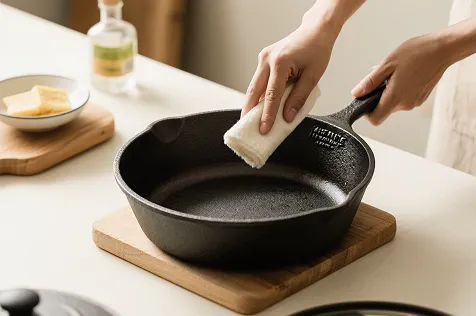
Clean Gently
Wash the pan with warm water and a stiff brush (avoid steel wool) to remove dust or factory wax. Do not use dish soap, as it may hinder oil bonding.
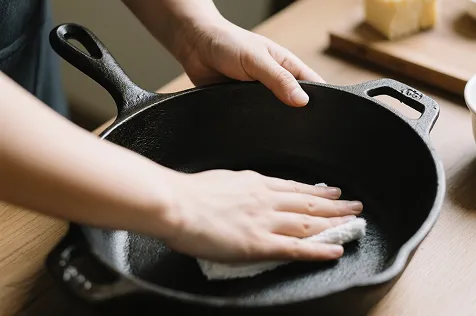
Dry Thoroughly
Wipe the pan dry or heat it on low heat until completely moisture-free.
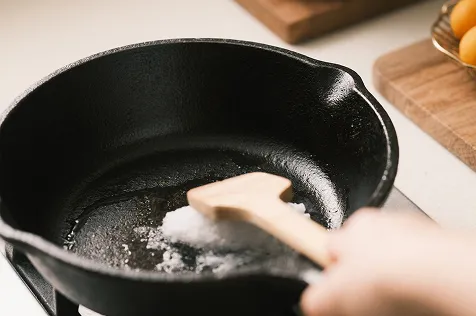
Apply Oil Evenly
When the pan is slightly warm (50–60°C), rub a thin layer of oil (preferably lard, vegetable oil like canola or peanut oil; avoid low-smoke-point oils like olive oil) onto the inner surface and edges using a paper towel.
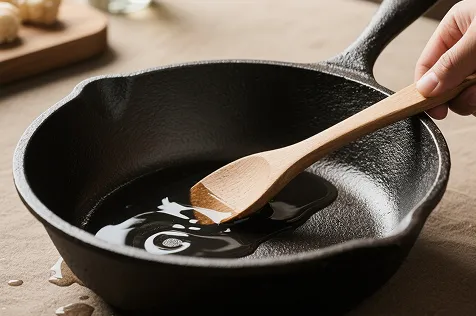
Cure at High Heat
Heat the pan on high until smoking for 2–3 minutes to solidify the oil. Let it cool naturally, then repeat the oiling and heating process 2–3 times until the surface turns a uniform dark glossy color.
2. Daily Use: Proper Handling
Seasoning is crucial to create a protective oil layer, prevent rust, and enhance non-stick performance.

Heat Gradually
Avoid dry heating or extreme temperature changes (e.g., pouring cold water into a hot pan), which may cause cracking. Preheat the pan on low-to-medium heat before adding oil for even cooking.

Use Non-Metal Utensils
Opt for wooden, silicone, or nylon spatulas to avoid scratching the seasoned surface. For sticky foods (e.g., fish, eggs), heat the pan until hot enough (test by flicking water—drops should dance) before adding oil.

Limit Acidic Foods
Avoid long-term cooking of acidic ingredients (e.g., tomatoes, vinegar, lemon), as they can erode the seasoning layer. If cooking acidic dishes, clean the pan promptly after use.
3. Cleaning and Drying

01 Clean While Warm
Rinse the pan with warm water and a soft brush/sponge immediately after cooking. For stubborn residue, boil water in the pan for a few minutes to loosen debris—never use steel wool.

02 Minimize Soap
Use plain water for daily cleaning. If needed, add a small amount of baking soda or specialized cast iron cleaner. Reserve dish soap for heavy grease or when re-seasoning is required.

03 Dry Completely
Wipe the pan dry with a cloth or paper towel, or heat it on low heat to evaporate all moisture (critical to prevent rust).

04 Re-Oil Lightly
After drying, apply a thin coat of oil to the interior to maintain the protective layer. For long-term storage, ensure the pan is fully dry, oiled, and wrapped in paper or a breathable cloth in a dry place.
4. Troubleshooting Common Issues
Light Rust: Scrub gently with steel wool or sandpaper, clean, dry, and re-season.
Severe Rust: Soak in a 1:1 white vinegar-water solution for 1–2 hours, scrub, rinse, and re-season multiple times.
Sticking or Odors: Sticking may indicate a weak seasoning layer—re-season the pan.
Odors from leftover food? Clean with warm soapy water, dry thoroughly, and re-oil.
Blackened Bottom: Apply a baking soda paste (mix with water), let sit for 10 minutes, then scrub with a non-abrasive pad and rinse.
Long-Term Maintenance Tips
Monthly Deep Seasoning
Prevent Moisture in Storage
With Consistent Care
Monthly Deep Seasoning
For extra protection, apply oil and bake the pan in an oven at 200°C (390°F) for 1 hour, then let it cool.
Prevent Moisture in Storage
Place a dry paper towel inside the pan to absorb humidity and check periodically for signs of dampness.
With Consistent Care
A cast iron pan will develop a durable, natural non-stick surface and serve as a reliable kitchen companion for years!
Customize Your Own Metal Castings
Focusing on sand casting for nearly ten years, we provide one-stop metal process solutions from drawings to finished products for customers around the world. Contact us now to start your customization journey!
Popular products
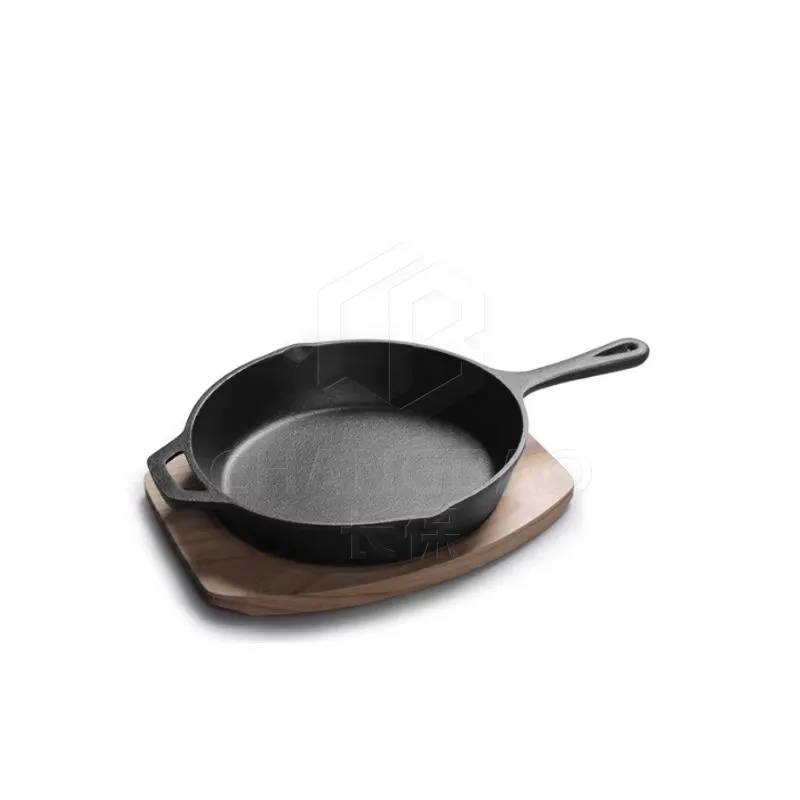
Cast Iron Skillet Frying Pan with Wood Tray, 10"
Extracting Eastern Wabi sabi aesthetics and Western pragmatism to create a boundless cooking experience from the stove to the dining table. The cast iron pot body is cast using ancient sand molds and has undergone 1360 ℃ kiln quenching, presenting a natural matte black glaze texture on the surface. The wooden tray is hand polished to form a natural angle of 15 degrees, making the cookware an artistic ornament on the dining table.
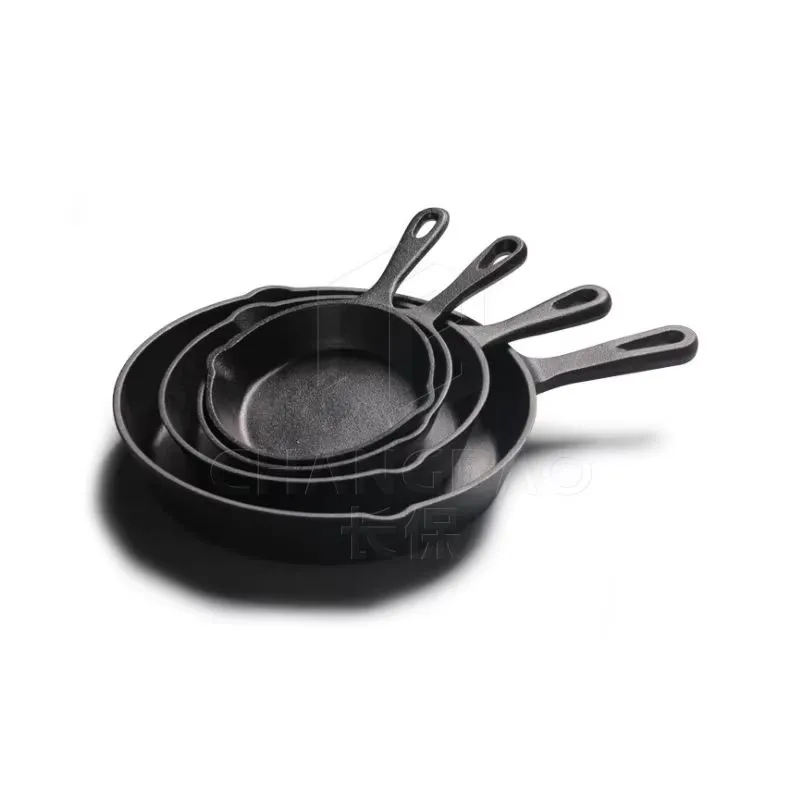
14cm/16cm/20cm/26cm Cast Iron Pan Preseasoned Cast Iron Skillets Frying Pan Cookware
Item: Cast iron frying pan
Diameter: 14cm/16cm/20cm/26cm
Weight about: 0.6kg/0.75kg/1.2kg/2.1kg
Apply stove: Gas stove, induction cooker, Lu Su stove, electric ceramic stove, electric stove, open flame
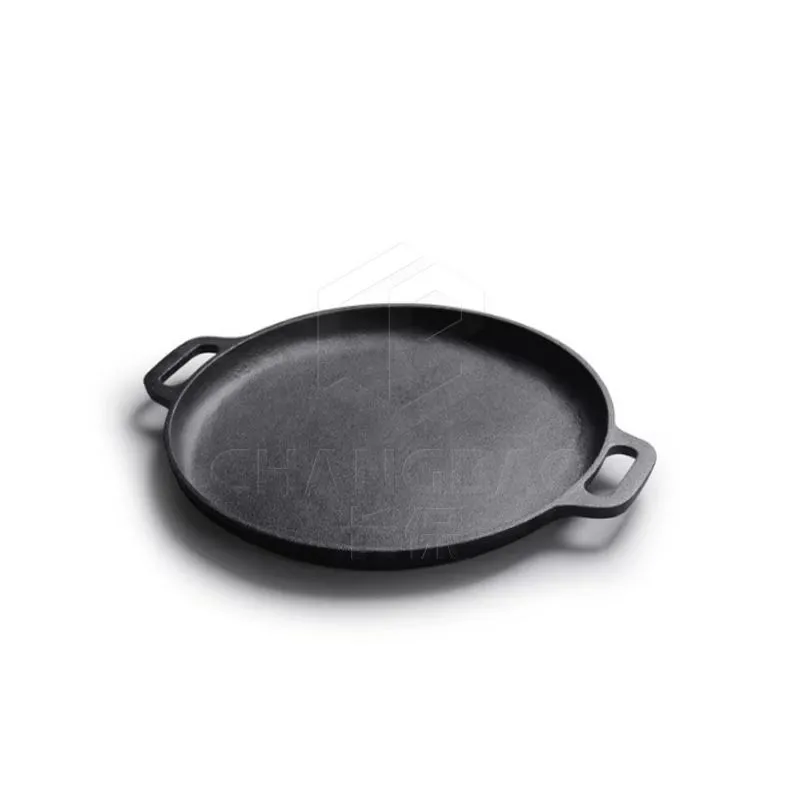
28cm/30cm/33cm/35cm Cast Iron Pan Frying Pan Non-stick Thickened Uncoated Pancake Pan
Product Highlight
*One piece cast handle, round and easy to grip, sturdy and durable
*Thickened pot edge, thick and durable
*Wall can be hung without taking up space
*Suitable for a variety of cookware, with strong heat storage performance
*No chemical layer, safe and non stick
*Multiple sizes to choose from
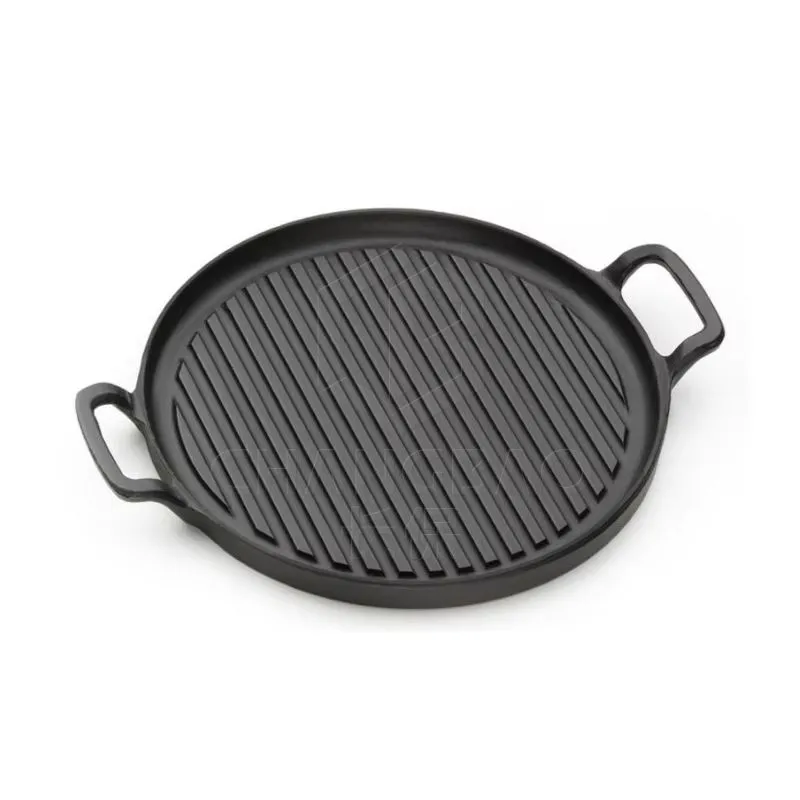
Striped Round Cast Iron Frying Pan, Uncoated Grill Pan, Grill Pan, 31cm
Item: 31cm frying pan
Material: cast iron
Dimaeter: 31cm
Height: 2cm
Net weight about 3.4kg
Apply stove: Gas stove, induction stove, halogen stove, electric ceramic stove, electric stove, open flame
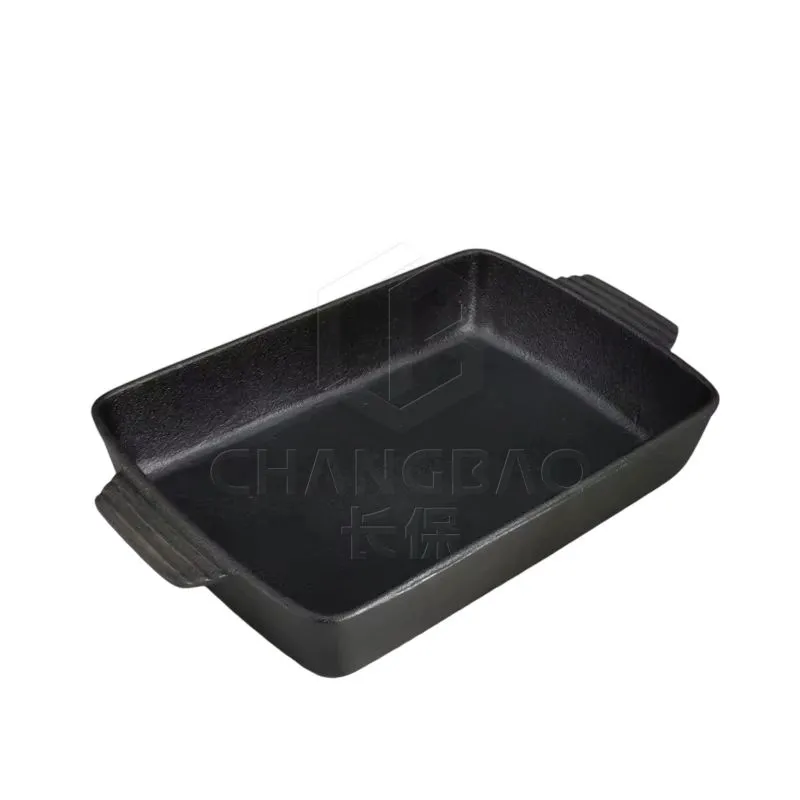
Rectangular Cast Iron Fish Pan, 33x23x6cm
Item: cast iron fish plate
Material: cast iron
Size: 33*23*6.3cm
Apply stove: Gas stove, induction stove, halogen stove, electric ceramic stove, electric stove, open flame
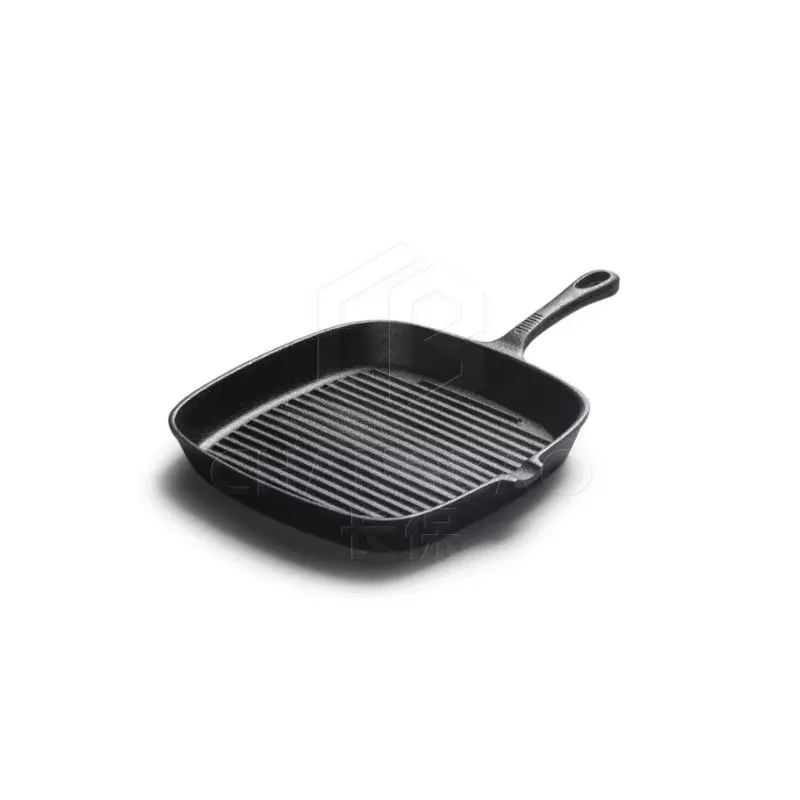
Cast Iron Frying Pan Dish, Uncoated, Western Beef Steak Pan, Striped Square Cast Iron Pan, 24cm
Item: steak frying pan
Material: cast iron
Size: 23*14cm
Deepth: 3cm
Bottom size: 20*20cm
Total length 36cm
Weight: 2kg
Apply stove: Gas stove, induction stove, halogen stove, electric ceramic stove, electric stove, open flame